Introduction
In this auspicious occasion, we are delighted to delve into the intriguing topic related to OnePlus 7T: A Retrospective Review – Still a Contender in 2024?. Let's weave interesting information and offer fresh perspectives to the readers.
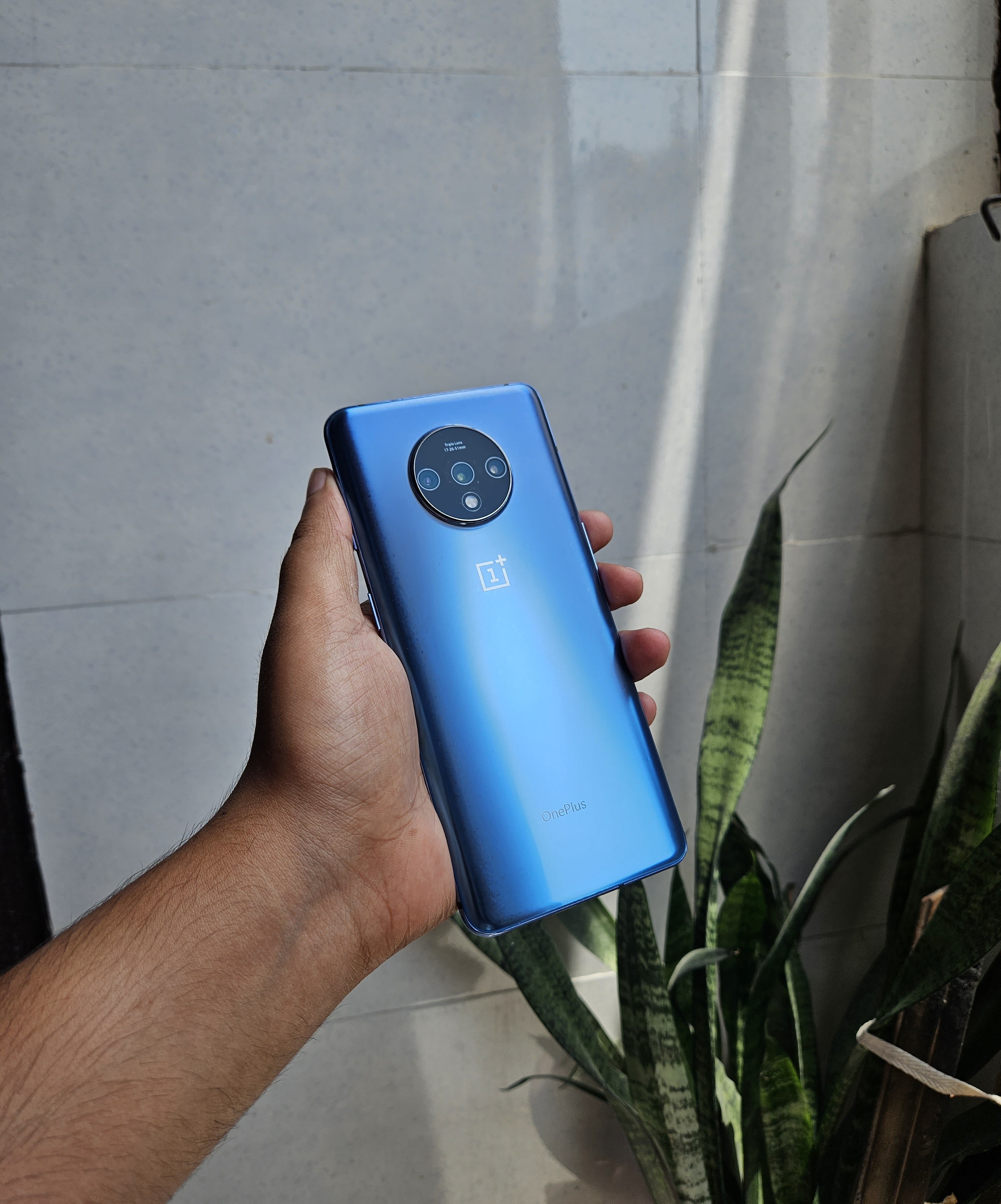
OnePlus 7T: A Retrospective Review – Still a Contender in 2024?
The smartphone landscape is a relentless churn. New models arrive with breathtaking frequency, each boasting incremental improvements and flashy new features that quickly render their predecessors obsolete in the eyes of many. Yet, some devices manage to transcend the fleeting nature of technological advancement, retaining relevance and value long after their initial launch. The OnePlus 7T, released in October 2019, falls into this intriguing category. This retrospective review will examine its strengths and weaknesses in the context of the current market, exploring whether it remains a viable option in 2024.
Design and Build:
The OnePlus 7T arrived with a design that, while not groundbreaking, was undeniably sleek and sophisticated. Its curved glass back, reminiscent of the Samsung Galaxy S series of the time, felt premium in hand. The phone’s weight was perfectly balanced, avoiding the overly heavy or excessively light extremes that plagued some competitors. The matte finish on the back, while prone to fingerprint smudges (a common issue with glass backs), provided a satisfying tactile experience. The alert slider, a OnePlus hallmark, remained a convenient and appreciated feature, offering quick access to silent, vibrate, and ring modes.
The in-display fingerprint sensor, a relatively new technology at the time, performed admirably, offering reasonably quick and accurate unlocking. However, compared to modern ultrasonic in-display sensors, its speed and reliability were somewhat lacking. This is a key area where the aging technology shows its age. The overall build quality was excellent, exhibiting the high standards OnePlus has consistently maintained. While the phone’s susceptibility to scratches and drops remained a concern, it felt robust enough for daily use.
Display:
The OnePlus 7T boasted a vibrant 6.55-inch Fluid AMOLED display with a 90Hz refresh rate. This was a significant selling point at the time, offering a noticeably smoother scrolling experience compared to standard 60Hz displays. The 90Hz refresh rate remains a desirable feature even in 2024, though higher refresh rates (120Hz and beyond) are now commonplace. The display’s color accuracy and brightness were impressive, delivering rich and vibrant visuals for media consumption and gaming. Outdoor visibility was also commendable, ensuring readability even under direct sunlight. The small teardrop notch housing the front-facing camera was a relatively unobtrusive design choice, maximizing screen real estate.
Performance:
Powered by the Qualcomm Snapdragon 855+ processor, the OnePlus 7T offered flagship-level performance at the time of its release. The 855+ was a slightly overclocked version of the Snapdragon 855, providing a marginal performance boost. For everyday tasks, multitasking, and even demanding games, the phone handled everything with ease. However, in 2024, the Snapdragon 855+ is significantly outclassed by modern processors like the Snapdragon 8 Gen 2 and the Apple A16 Bionic. While the phone remains usable for most tasks, it will undoubtedly show its age when compared to newer devices, especially in graphically intensive games. The RAM options (8GB or 12GB) were generous for the time and still provide adequate performance for many users, although 12GB is becoming a more standard minimum in 2024.
Camera:
The OnePlus 7T’s triple-camera system was a significant step up from its predecessors. The main 48MP sensor captured detailed and sharp images in good lighting conditions. The ultra-wide-angle lens expanded creative possibilities, and the dedicated macro lens allowed for close-up shots. However, low-light performance was a noticeable weakness, with images often exhibiting noise and a lack of detail. The video recording capabilities were decent, but again, fell short of the capabilities of modern smartphones. While the camera system was impressive for its time, it lags behind the computational photography and advanced image processing capabilities found in current flagship phones.
Software and Updates:
One of the OnePlus 7T’s strong points was its software experience. OxygenOS, OnePlus's custom Android skin, was known for its clean interface, minimal bloatware, and smooth performance. However, the long-term software support is a significant concern. While OnePlus initially promised updates, the device is likely no longer receiving security patches, leaving it vulnerable to security threats. This is a crucial aspect to consider when evaluating the phone's viability in 2024. The lack of continued updates significantly diminishes its overall value proposition.
Battery Life:
The OnePlus 7T's 3800mAh battery provided a respectable day of battery life under moderate usage. However, heavy users would likely need to recharge before the end of the day. The Warp Charge 30T fast charging technology was a standout feature, enabling quick top-ups, a significant advantage over slower charging speeds found in many competitors at the time. Even today, Warp Charge 30T is still relatively quick, but newer fast-charging technologies have surpassed it.
Conclusion:
The OnePlus 7T, viewed through the lens of 2024, presents a complex picture. Its sleek design, vibrant display, and impressive fast charging remain appealing aspects. However, its aging processor, outdated camera system, and, crucially, the lack of ongoing software support significantly detract from its overall value. While it might still function adequately for less demanding users, its performance limitations and security vulnerabilities make it a risky proposition. For those seeking a budget-friendly option, exploring more recent budget smartphones with longer software support would be a wiser investment. The OnePlus 7T serves as a reminder of the rapid pace of technological advancement and the importance of considering long-term software support when making a smartphone purchase. While it was a flagship killer in its time, the current market offers significantly superior alternatives. Ultimately, the OnePlus 7T's legacy rests not on its current capabilities but on its contribution to the evolution of the smartphone experience.
Closure
Thus, we hope this article has provided valuable insights into OnePlus 7T: A Retrospective Review – Still a Contender in 2024?. We hope you find this article informative and beneficial. See you in our next article!
Post a Comment for "OnePlus 7T A Retrospective Review – Still A Contender In 2024"